Choose category
Choose category
Your Cart

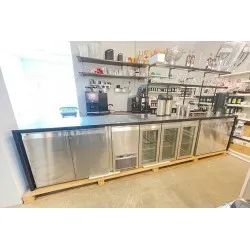
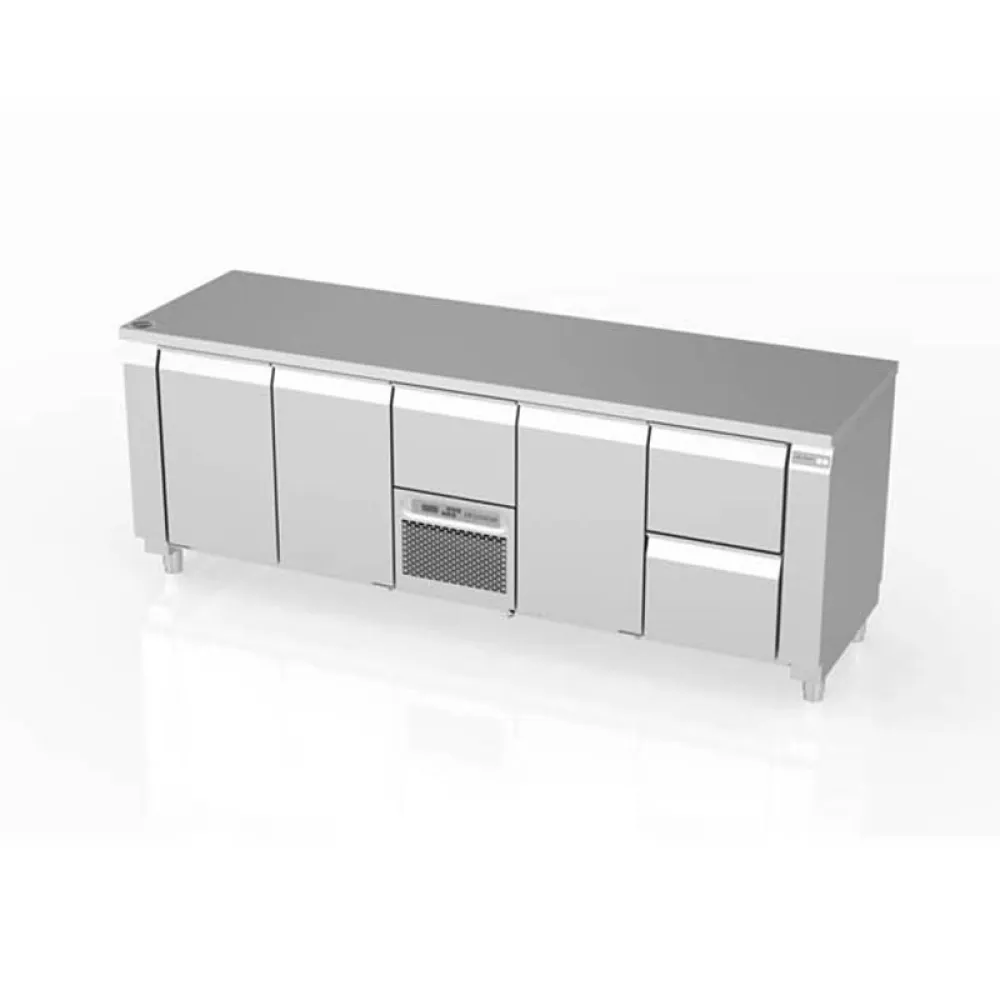
Ergonomic Cooling Worktable with Lift Function 2330 mm

Ergonomic Cooling Worktable with Lift Function 2330 mm

Technical data

Attributes
ARTICLE FPR-E433-233/70/90
POWER 0.293
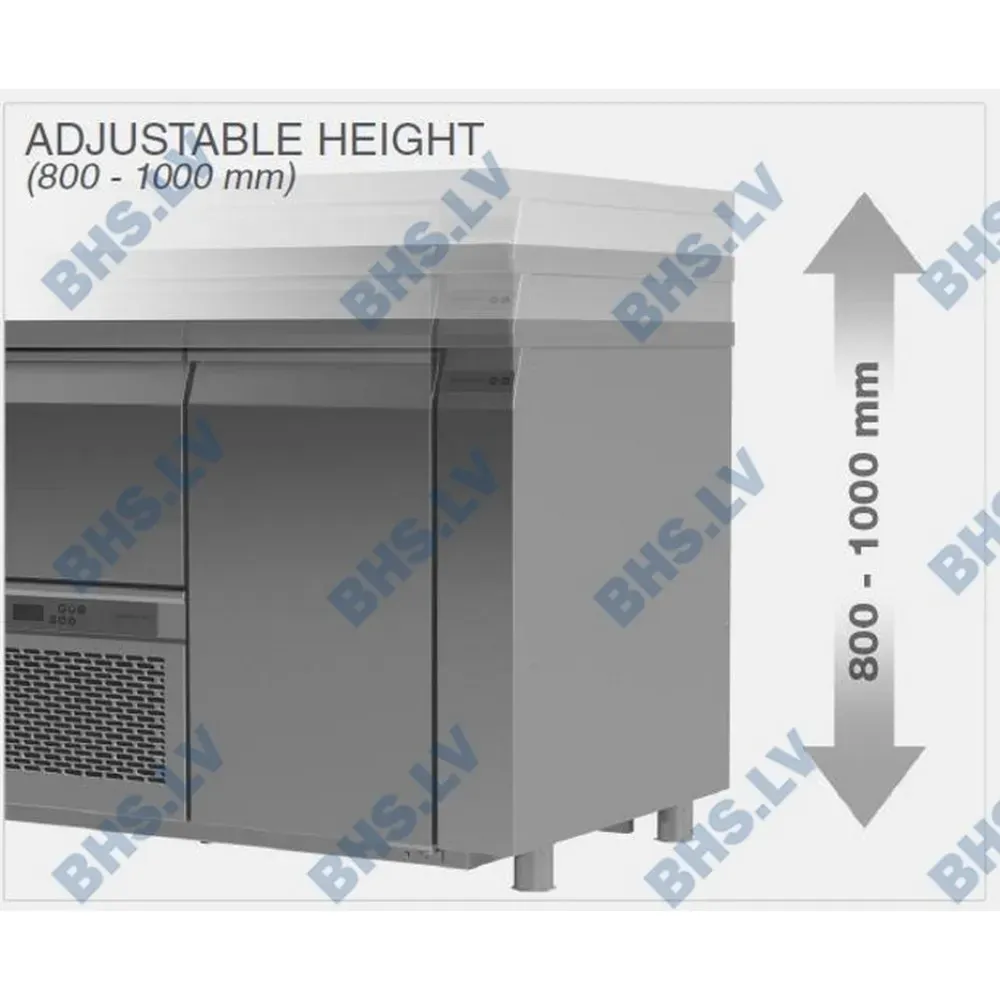
SIZE L/W/H 2330 / 700 / 800-1000
VOLTAGE 230
Temperature - 5 / + 8
VOLUME 430 l
WEIGHT 193
AMPERS 2,8A
NOTES AISI 304 CE 3 drawers 3 doors
Ergonomic Cooling Worktable with Lift Function 2330 mm

Ergonomic Cooling Worktable with Adjustable Height

  • : Novameta
  • Article number: FPR-E433-233/70/90
Ir pieejams
4,604.00€
with VAT: 5,570.84€

Refrigerated worktable with lift mechanism in HoReCa kitchens

A refrigerated worktable with a lift mechanism combines a cooling unit and a full working surface in one block. In professional kitchens it keeps ingredients within reach while providing a stable surface for cutting, portioning and assembling dishes. This type of equipment is valuable in restaurants, bistros, canteens and production kitchens where workflow must remain fast and consistent.

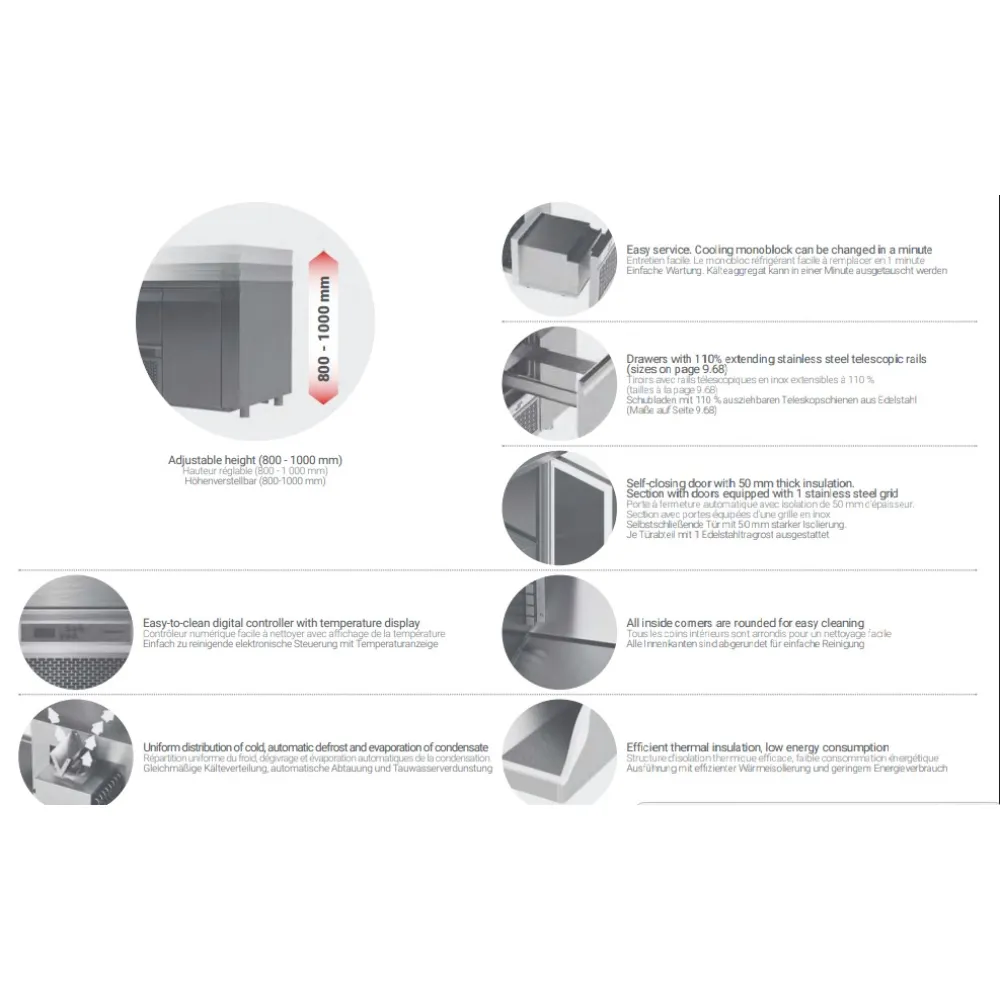
Ergonomics play a central role. The lift mechanism allows adjusting the working height to the needs of each cook, reducing strain on the back and joints. Height changes help adapt the table quickly to different tasks and staff members during long shifts.

Professional kitchens also appreciate that a refrigerated table takes up less space than a separate undercounter fridge and a separate worktable. A single unit simplifies kitchen planning and helps maintain food safety because storage and preparation occur in a controlled temperature zone.

Construction and advantages

Most refrigerated worktables with lift mechanisms are made of stainless steel, the standard material for professional kitchens. It resists impact, is easy to clean and withstands constant contact with water, detergents and food products. The construction usually includes an insulated refrigerated base with doors or drawers and a stable top that remains firm during lifting.

The cooling section usually maintains 0–+8 °C, suitable for vegetables, sauces, semi-prepared foods and other ingredients used shortly before serving. Stable cooling helps preserve product quality and reduce waste during high-intensity work.

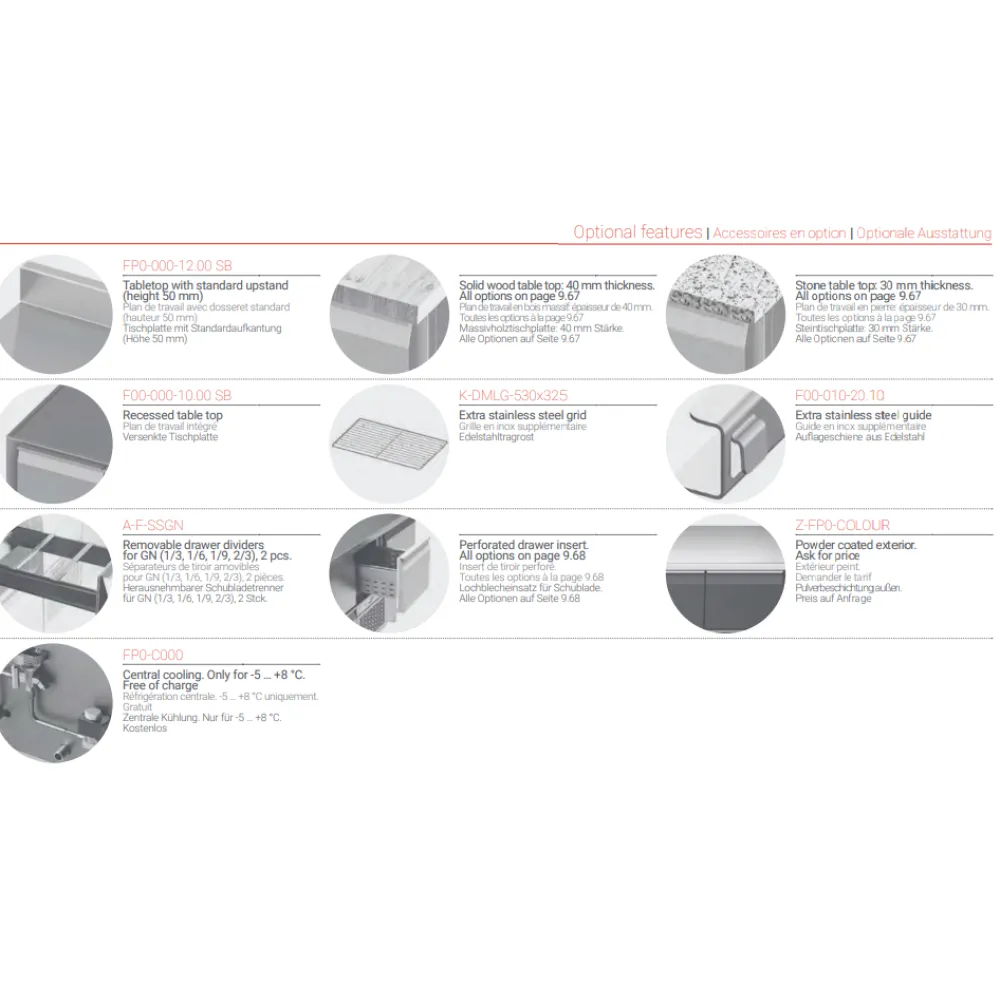
Many models are compatible with GN containers, helping organise workflow between preparation and serving. GN 1/1 and GN 1/2 combinations allow quick access to needed ingredients. The compressor may be mounted on the side or the bottom, affecting ventilation requirements and placement options.

The lift mechanism is designed for frequent use, so smooth movement and a proper adjustment range are important. If the top can be raised or lowered quickly, the table can be adapted to different cooks and tasks throughout the shift.

Selection criteria for kitchens

When choosing a refrigerated lift table, kitchens evaluate capacity and size first. Both internal volume and the distribution of doors and drawers matter. Large production kitchens often require longer tables with multiple sections, while smaller spaces benefit from compact but functional configurations.

Temperature range and cooling method determine how stable the cooling will be under load. Air-circulated systems maintain temperature better if the doors are opened frequently, while static cooling may suit operations with fewer openings. Power and energy efficiency influence long-term running costs.

Ergonomics depend on the lift mechanism’s adjustment range. A wider range makes it easier to adapt the table for different workers. It is also worth checking the placement of controls for height and temperature to ensure convenient use.

GN container compatibility is essential in salad bars, buffet lines or fast-service environments. Compatibility with GN 1/1 and smaller sizes helps reorganise ingredients quickly without modifying the equipment.

Key points to check before purchase include:

  • lift mechanism adjustment range, smoothness and ease of control;
  • temperature range and stability under full load;
  • compressor placement and ventilation requirements;
  • ease of cleaning, gasket quality and access to inner surfaces;
  • door or drawer layout in relation to kitchen workflow.

Operation and maintenance

To ensure reliable operation, the worktable must be cleaned regularly. The surface should be cleaned several times a day with food-safe detergents. Stainless steel allows wet cleaning, but abrasive tools should be avoided to prevent scratching.

The cooling system requires clean condenser and ventilation openings. Dust and grease can restrict airflow, increasing compressor load and affecting temperature stability. Regular cleaning helps preserve performance and extend component life.

The door and drawer gaskets should also be checked. Damaged or dirty gaskets allow cold air to escape and force the refrigeration system to work harder. Timely gasket replacement is a simple way to restore efficiency.

The lift mechanism should be used smoothly, avoiding sudden movements and heavy impact loads. Moving parts should remain clean to prevent debris from affecting the lifting motion.

BHS service and support

BHS provides professional service and technical support for refrigerated lift tables used in demanding HoReCa environments. Service technicians assist with proper installation and setup to ensure stable cooling and ergonomic workspace from day one.

BHS offers a wide range of spare parts for refrigeration equipment, including compressors, thermostats, sensors and door gaskets. Many parts are available in stock, helping minimise downtime after a malfunction.

Regular maintenance helps identify wear in the lift mechanism or cooling section. The BHS team can recommend suitable maintenance intervals depending on workload and model specifics to keep the equipment running reliably.

Frequently asked questions about refrigerated lift tables

What is the typical temperature range of these tables?

The usual temperature range is 0 to +8 °C, suitable for short-term storage of fresh products and prepared ingredients near the working area.

How to choose the right capacity and GN configuration?

Choose capacity and GN layout based on workload: larger kitchens benefit from longer tables with multiple sections, while fast-service areas rely on GN 1/1 and GN 1/2 combinations for quick access.

How often should maintenance be performed?

Basic cleaning should be done weekly, while condenser and compressor area cleaning should be scheduled several times a year depending on workload.

Does the lift mechanism affect safety and ergonomics?

Yes, adjusting the working height improves ergonomics, reduces strain and helps avoid forced working postures during long shifts.

How to prevent common issues in heavy-duty use?

Most issues relate to dirty condensers, worn gaskets or insufficient ventilation; regular cleaning and proper positioning of the equipment help avoid downtime.

Delivery and warranty

Free Shipping
Free delivery throughout Latvia over 200€ up to 30 kg. Does not apply to promotional items. Learn more.
Best Typography Options
12-month warranty for professional equipment, 24 months for “home” products. Learn more.
Professional Maintenance and Repair
A wide range of HoReCa spare parts and knowledgeable craftsmen. Learn more.

Large purchase volume or don't know where to start?
Receive a personalized offer